Brief Description about Nepal
Nepal
Nepal, a landlocked South Asian nation nestled in the Himalayas between China and India, is a diverse, federal democratic republic known for its dramatic topography, including eight of the ten highest peaks like Mount Everest. With a population of roughly 30 million, it is culturally rich, officially secular, and the birthplace of Lord Buddha.
Historical Background
Nepal has been providing manpower to overseas countries since the eighteenth century. History shows that the British hired Nepalese Gurkhas to join their military forces and established the first Gurkha Regiment in 1815. Since then, Britain and India have regularly recruited thousands of Nepalese Gurkhas every year for their special Gurkha Regiments. The brave Gurkhas have been awarded many medals, including the Victoria Cross, and have continued to enjoy the highest reputation for their vigor and quality all over the world.
Key Facts About Nepal:
- Geography: Features three main regions—Himalayan, Mid-hill, and Tarai plains—ranging from 60m to the 8,848m summit of Mt. Everest.
- Capital & Language: Kathmandu is the largest city and capital. Nepali is the official language, with over 120 languages spoken nationwide.
- Culture & Religion: Predominantly Hindu (approx. 80%), with significant Buddhist, Muslim, and Kirat populations. It is famous for religious harmony and numerous festivals.
- Tourism & Biodiversity: A premier destination for trekking, mountaineering, and wildlife, featuring Chitwan National Park and diverse species like snow leopards and one-horned rhinoceroses.
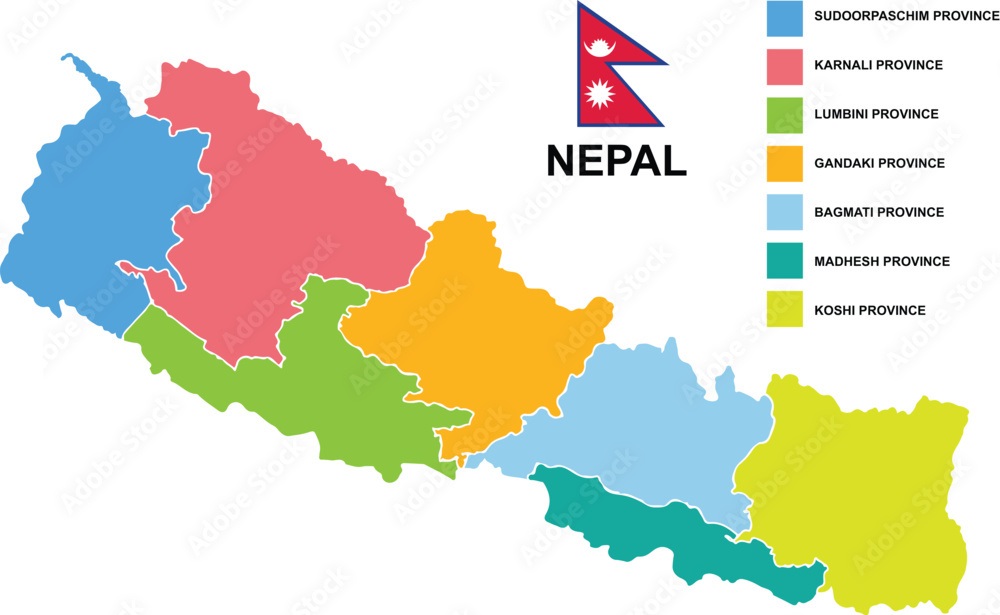
- Unique Symbol: Nepal has the world's only non-quadrilateral (triangular) national flag.
- History: Known for its independence, never officially colonized, transitioning from a monarchy to a federal republic in 2008.